

Transformative Research Across the Cancer Continuum
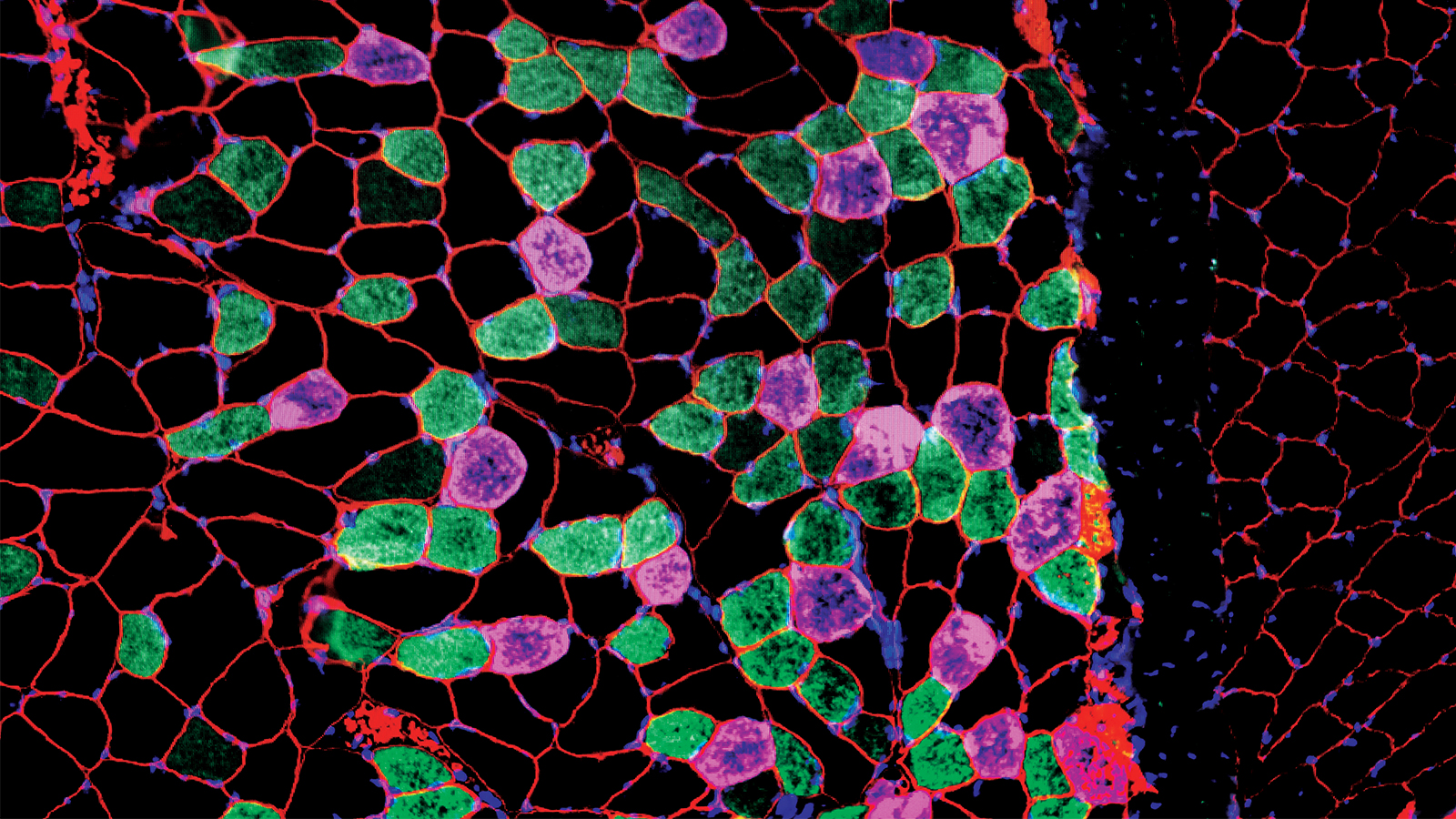
Muscle cells as seen under a microscope
Photo courtesy of Assistant Professor Cory Dungan and Associate Professor Michael Wiggs
According to the National Cancer Institute, around 2 million Americans will be diagnosed with cancer each year, and the World Health Organization (WHO) names this disease as the leading cause of death worldwide. Even when treatable, cancer often leaves in its wake debilitating health outcomes and a shortened lifespan.
In Baylor University’s Robbins College of Health and Human Sciences, faculty from a range of disciplines are pursuing innovative research aimed at making a positive impact across the cancer journey—from prevention to treatment to survivorship. Driven by a personal calling to make a difference through their skills and expertise, these researchers are truly transforming lives, one study at a time.
Expanding Prevention and Education
The best way to lower the chance of getting cancer is to take preventative action. However, an individual’s ability to take that action may vary greatly depending on access to information, education, and services. According to the WHO, cervical cancer, the fourth most common cancer in women globally, is also most prevalent in low- and middle-income countries due to a shortage of vaccinations, screenings, and treatment services.
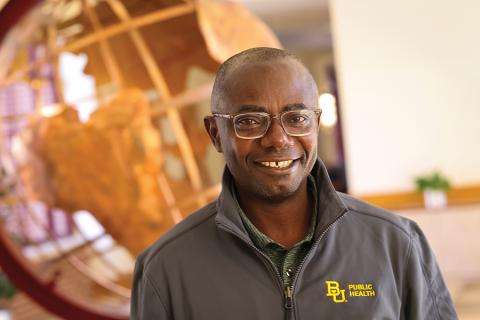
Matt Asare, PhD, MPH, MBA, CHES, Associate Professor in the Department of Public Health, adds that women living with HIV in low- and middle-income countries are six times more likely to develop cervical cancer compared to their uninfected counterparts.
“Despite being largely preventable, many women still face late diagnoses, limited screening, and gaps in health education shaped by cultural and structural barriers,” he explained. “Witnessing these challenges inspired me to dedicate myself to prevention efforts that are culturally sensitive, community driven, and sustainable.”
Through previous studies, Asare determined that self-sampling is an acceptable, easy to use, and effective strategy for detecting pre-cancer lesions among women living with HIV. Armed with this knowledge, he developed the “HOme-based self-sampling for the cervical cancer Prevention Education” (HOPE) toolkit to make self-sampling more widely accepted and accessible in Ghana.
He partnered with the University of Cape Coast in Ghana to develop the HOPE toolkit. The Cape Coast Teaching Hospital provided focus groups of women living with HIV, healthcare workers, and community leaders to provide input in the toolkit’s design. It is now being tested among women living with HIV and a control group to evaluate feasibility, acceptability, appropriateness, and adoptability.
“Right now, I’m focused on developing and refining the HOPE toolkits as tools that truly resonate with the communities they are meant to serve. I spend my time testing the toolkit, listening to feedback from community members and stakeholders, and making sure it is accessible and relevant,” he said. “Being part of the early planning and evaluation process allows me to learn, adapt, and ensure that our efforts create meaningful, lasting impact.”
For the next phase of the project, Asare will pursue real, sustained implementation in communities, working closely with local health systems and faith-based organizations. He hopes to improve screening and awareness, inform policy, and create a model for community-centered prevention that can help women in similar contexts.
“Faith is the lens through which I understand the interconnectedness of health, responsibility, and human dignity. It motivates my pursuit of service, compassion, and justice, guiding both research and community engagement,” he shared. “It calls me to see beyond disease alone, valuing the holistic well-being of each individual I serve.”
Revolutionizing Treatment
Historically, cancer treatment recommendations have been made based on clinical trials and medical consensus. Now, however, the advent of advanced artificial intelligence tools is making precision medicine more of a reality, allowing healthcare providers to design treatment plans and prescribe care based on individualized needs.
Add to this advancement in methodology an emergence of interest in the “digital twin,” a model of an entity created through the collection and integration of a diverse range of data. A simulated patient replica—one form of a digital twin—could be used to determine personalized treatments, virtually engage in clinical trials, or identify individual-specific risks and prevention strategies.
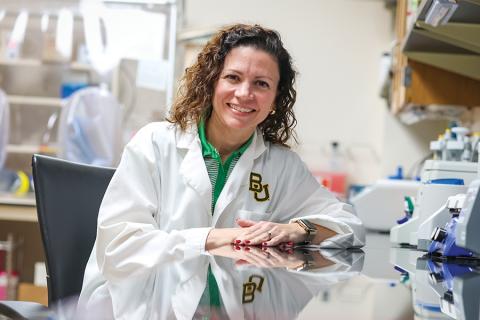
Associate Professor of Nutrition Sciences Leigh Greathouse, PhD, MPH, RD, is utilizing AI and her own expertise of the gut microbiome to conduct research at the pinnacle of precision medicine and digital twins.
“With AI, we can now analyze thousands of dietary factors, microbial species, and metabolic pathways all at once—finding patterns no human can see alone,” she explained. “AI can learn what your unique microbiome looks like and run virtual experiments—mini clinical trials of one—to predict what food, nutrients, or drugs would work best for your cancer, your treatment, your gut microbiome.”
The gut microbiome is of great significance in relation to cancer. The tens of trillions of microbes that live inside the human gut educate immune cells, produce vitamins, influence how you feel, and even impact responses to cancer treatments.
Greathouse’s quest to develop a “digital gut twin” involves understanding and identifying the factors that can be used to train a large language model to be able to predict the types of treatments—biological, nutritional, physical activity, etc.—that would be most beneficial for that person’s individual cancer type and metabolic profile.
In other words, “a digital replica of your gut that learns from your data and helps doctors make truly personalized nutrition prescriptions,” she explained. “This is not generic advice. It’s a plan designed for your body, your disease, your life.”
Greathouse is currently collaborating with computational biologist Nicholas Lee-Ping Chia at Argonne National Laboratory on this intersection of precision medicine and AI. She taught herself Python, the popular computer programming language, and is using it, along with other AI tools, to scour “gold standard” oncology nutrition research and publications for information that will feed into and train a large language model.
A cancer survivor herself, Greathouse personally understands the potential impact of precision nutrition medicine. Her work in developing the digital gut twin will inform and empower healthcare providers on how to best treat their patients, particularly with an eye to nutrition.
“Essentially, the gut microbiome model is going to allow us to harmonize gut microbiome data across all data sets,” she said. “And while our nutrition model is built from oncology, it could also be repurposed and retrained on broader topics beyond just cancer.”
Flourishing in Survivorship
With advancements in prevention and treatment, the cancer mortality rate is on the decline. At the same time, cancer incidence continues to rise for many common cancers. According to the American Cancer Society, about 18.6 million people in the United States have a history of cancer, and that number is projected to surpass 22 million by 2035. More than ever, it is critical that attention is given to the health outcomes of cancer survivors and that researchers examine ways to improve quality of life for this growing population.
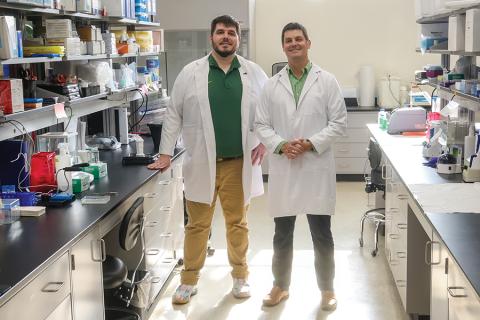
This is where Assistant Professor Cory Dungan, PhD, and Associate Professor Michael Wiggs, PhD, come in. Housed in the Department of Health, Human Performance, and Recreation, this duo with a specialization in exercise physiology is exploring ways to combat muscle loss in cancer survivors—particularly, pediatric survivors.
“Pediatrics is a very under-researched and underserved area,” Wiggs explained. “Not only does this mean that there’s funding potential, but from a big picture, it’s really important to us to make an impact on the survivorship of this unique population.”
Muscle loss, or cachexia, is common in individuals following chemotherapy treatment. In previous studies, when Dungan and Wiggs examined this phenomenon in adult survivors, their focus has been preventing cachexia; however, as they’ve turned their attention to a pediatric population, their focus has shifted to improving the rate of muscle growth.
“We’re looking at the same issue—improving muscle quality, muscle health, and muscle function—but from a different angle,” Dungan said.
The good news is that children have a high likelihood of surviving cancer. The bad news, however, is that most of them, for the rest of their lives, will suffer from some sort of complication associated with skeletal muscle, will be more likely to develop comorbidities like diabetes or cardiovascular issues, and tend to have shorter lifespans.
“Our thought process is that if we can improve muscle health early on, then we may be able to rescue a potential lifetime of consequences,” Dungan said. “If our research is successful, we could improve a child’s physical and metabolic health for decades.”
Their current study examines the effects of chemotherapy on muscle stem cells, which are constantly dividing at a rapid rate as children grow and develop. Fortunately for cancer cells and unfortunately for muscle stem cells, chemotherapy is excellent at killing rapidly dividing cells. To combat the destruction of these developmentally essential stem cells, Wiggs and Dungan are leveraging novel pharmaceutical agents to help increase the health, stability, and proliferation of the stem cells prior to the administration of chemotherapy.
“The overall hypothesis is relatively simplistic in nature, but in a way, the simplicity and the known biology is why we’re so excited and why it appears to be a high chance that this could be helpful,” Dungan shared.
“I heard someone talk recently about ‘surviving the cure,’” Wiggs added. “Those words really hit home. Cancer is a major battle, but it’s short-term. The long-term battle is the consequences of the chemotherapy after the cancer is cured or gone. Knowing these kids are going to struggle to ever recover is a really big challenge. And this is where we hope to make an impact.”
In addition to Asare, Greathouse, Dungan, and Wiggs, the following faculty are pursuing cancer-related research in Robbins College of Health and Human Sciences. While the methods and foci may differ, the motivation across research is consistent—to help and make a difference for those impacted by cancer.

Investigating cancer cachexia, a syndrome of muscle wasting that decreases quality and length of life in advanced cancer patients

Identifying molecular therapeutics that protect the heart during cancer by correcting disrupted communication between skeletal muscle and the heart as the disease progresses

Leveraging exercise as an intervention to prevent or mitigate the development of comorbidities related to long-term cancer treatments

Exploring how cancer and its treatments change physical appearance, how those changes shape body image, social connections, and emotional well-being, and what helps patients and survivors adapt and cope
ABOUT ROBBINS COLLEGE OF HEALTH AND HUMAN SCIENCES AT BAYLOR UNIVERSITY
Established in 2014, Robbins College of Health and Human Sciences seeks to enhance health, quality of life, and human flourishing for all individuals and communities through education, research, and innovation. It includes seven academic departments—Communication Sciences and Disorders; Health, Human Performance, and Recreation; Human Sciences and Design; Occupational Therapy; Physical Therapy; Physician Assistant Studies; and Public Health. Robbins College offers 13 bachelor’s degrees, 10 master’s degrees, and six doctoral degrees, as well as nine graduate programs in partnership with the U.S. Army. Graduate programs in Robbins College are offered in a variety of modalities, including on campus, online, and hybrid.