

Practicing Cura Personalis
From the clinic to research to the classroom, Post-professional Doctor of Occupational Therapy alumna Kelly Hochstetler, OTD, OTR, CLT, brings her calling for whole-person care to every aspect of her career
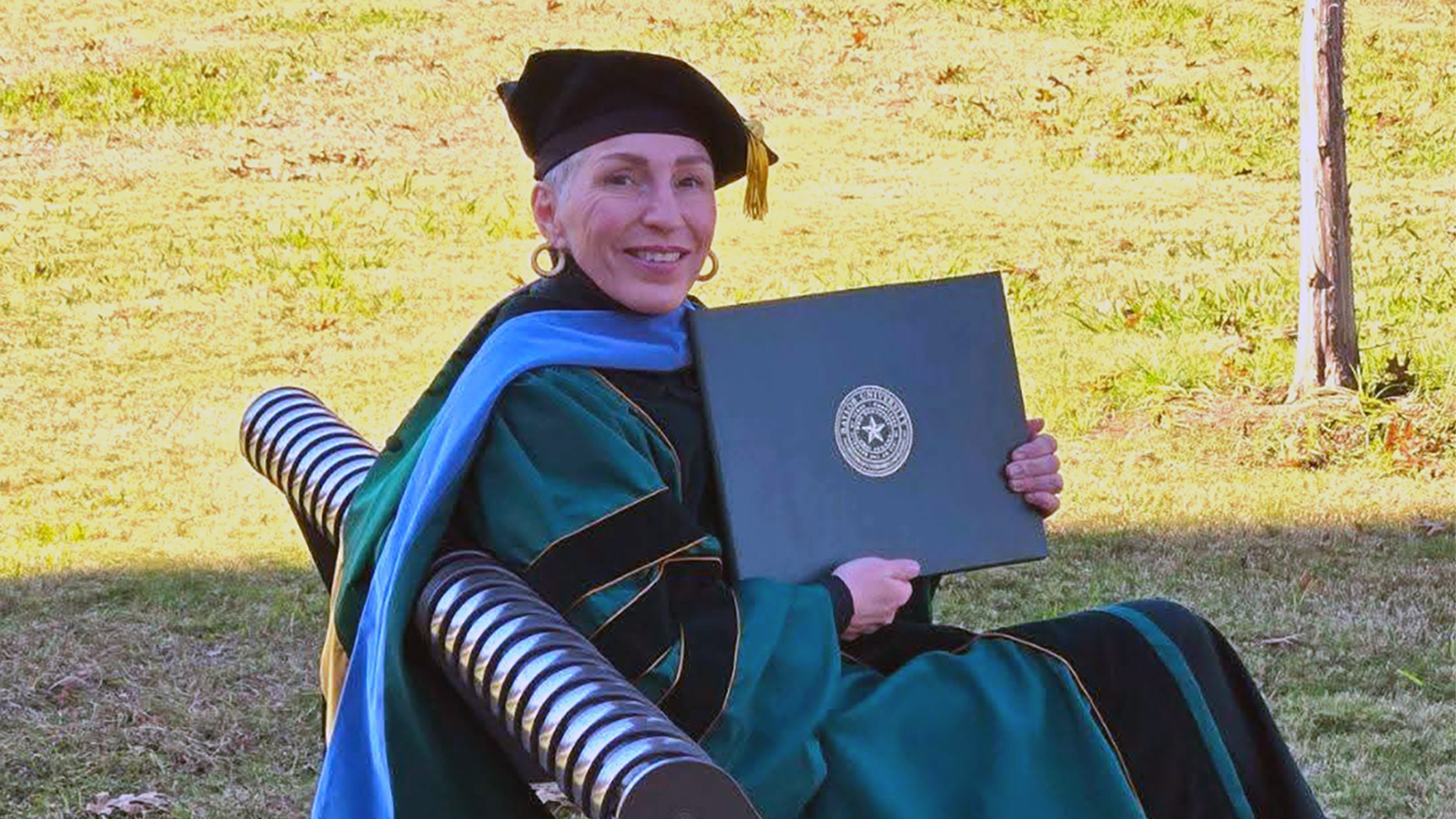
Kelly Hochstetler, Post-professional Doctor of Occupational Therapy alumna
With more than 26 years of experience, Kelly Hochstetler, OTD, OTR, CLT, has built an occupational therapy career rooted in compassionate care and lifelong professional growth. Across her experiences as a program co-lead at an outpatient rehabilitation center, Baylor University Post-professional Doctor of Occupational Therapy (OTD) alumna, and adjunct professor, Hochstetler reflects the breadth of the occupational therapy profession and a deep commitment to cura personalis—care for the whole person.
From the beginning, Hochstetler was drawn to occupational therapy for its unique combination of science, creativity, problem-solving, and human connection. Her commitment to direct patient care eventually expanded beyond the clinic into leadership, advocacy, education, and mentorship. Throughout her career, she has remained focused on helping individuals regain independence, confidence, and purpose in daily living.
The core of her approach is cura personalis, a philosophy rooted in caring for the whole person—physically, emotionally, socially, and spiritually.
“Whole-person care involves listening deeply, building trust, and creating safe spaces where patients feel seen, heard, and valued,” she said. “It also means adapting treatment to support not only function, but quality of life, identity, dignity, and participation in meaningful occupations.”
A key part of Hochstetler’s impact lies in her specialized work with patients with lymphedema and lipedema. As a Certified Lymphedema Therapist for more than 17 years, she serves populations that are often misunderstood, misdiagnosed, and underserved. These patients frequently navigate chronic pain, mobility limitations, and social stigma—complex challenges that require both technical expertise and compassion.
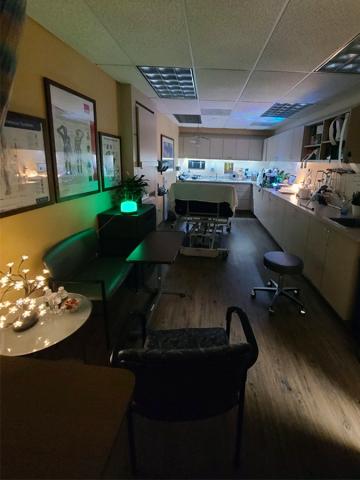
Recognizing this, Hochstetler created the Zen Den, a unique treatment space designed for patients navigating stressful and often emotionally taxing health journeys. The space incorporates soft lighting and comfortable furnishings, patient-selected music, a cascading water fountain, and fragrance diffuser to promote a calming, peaceful atmosphere.
“Many individuals receiving my specialized services are managing complex chronic conditions and stigmas and barriers related to body size and shape, so creating an environment promoting emotional comfort is incredibly important,” she explained.
After many years in the field, Hochstetler felt called to further advance her career and pursue her doctorate degree at Baylor. Drawn to the Post-professional Doctor of Occupational Therapy program’s learner-centered model, Christian values, and emphasis on servant leadership, evidence-based practice, and client-centered care, she saw the program as an opportunity to deepen her impact as a leader, educator, and advocate.
“It was never simply about earning another degree,” she said. “It was about challenging myself academically, expanding my ability to contribute to occupational therapy on a larger scale, and helping bridge the gap between clinical practice and higher education.”
At Baylor, Hochstetler was awarded the Baylor Light Award, the program’s highest distinction for students, recognizing her academic excellence and professional impact. She also presented her doctoral capstone, “Diving Deep: Exploring the Impact of Community Aquatic Exercise on Health, Well-being, and Participation for Women with Lipedema,” at the National Lymphedema Network Conference at Johns Hopkins Hospital in Baltimore, Maryland, helping bring greater awareness to therapeutic interventions within her specialized field.
Today, Hochstetler continues to shape the future of occupational therapy as an adjunct faculty member in Baylor’s Entry-level Doctor of Occupational Therapy program. Her teaching philosophy is grounded in the words of occupational therapy pioneer Eleanor Clarke Slagle: “Stand up and face them. Don’t hang back.” She encourages her students to serve with courage, embrace growth, and remain open to the many directions their careers may take.
Hochstetler’s career highlights the many ways occupational therapy can influence lives beyond the clinic. Through research, education, advocacy, and patient care, she continues to advance a whole-person approach rooted in cura personalis and servant leadership.
ABOUT ROBBINS COLLEGE OF HEALTH AND HUMAN SCIENCES AT BAYLOR UNIVERSITY
Established in 2014, Robbins College of Health and Human Sciences seeks to enhance health, quality of life, and human flourishing for all individuals and communities through education, research, and innovation. It includes seven academic departments—Communication Sciences and Disorders; Health, Human Performance, and Recreation; Human Sciences and Design; Occupational Therapy; Physical Therapy; Physician Assistant Studies; and Public Health. Robbins College offers 13 bachelor’s degrees, 10 master’s degrees, and six doctoral degrees, as well as nine graduate programs in partnership with the U.S. Army. Graduate programs in Robbins College are offered in a variety of modalities, including on campus, online, and hybrid.