

Physical Therapy’s Ministry Team Strengthens Faith and Community
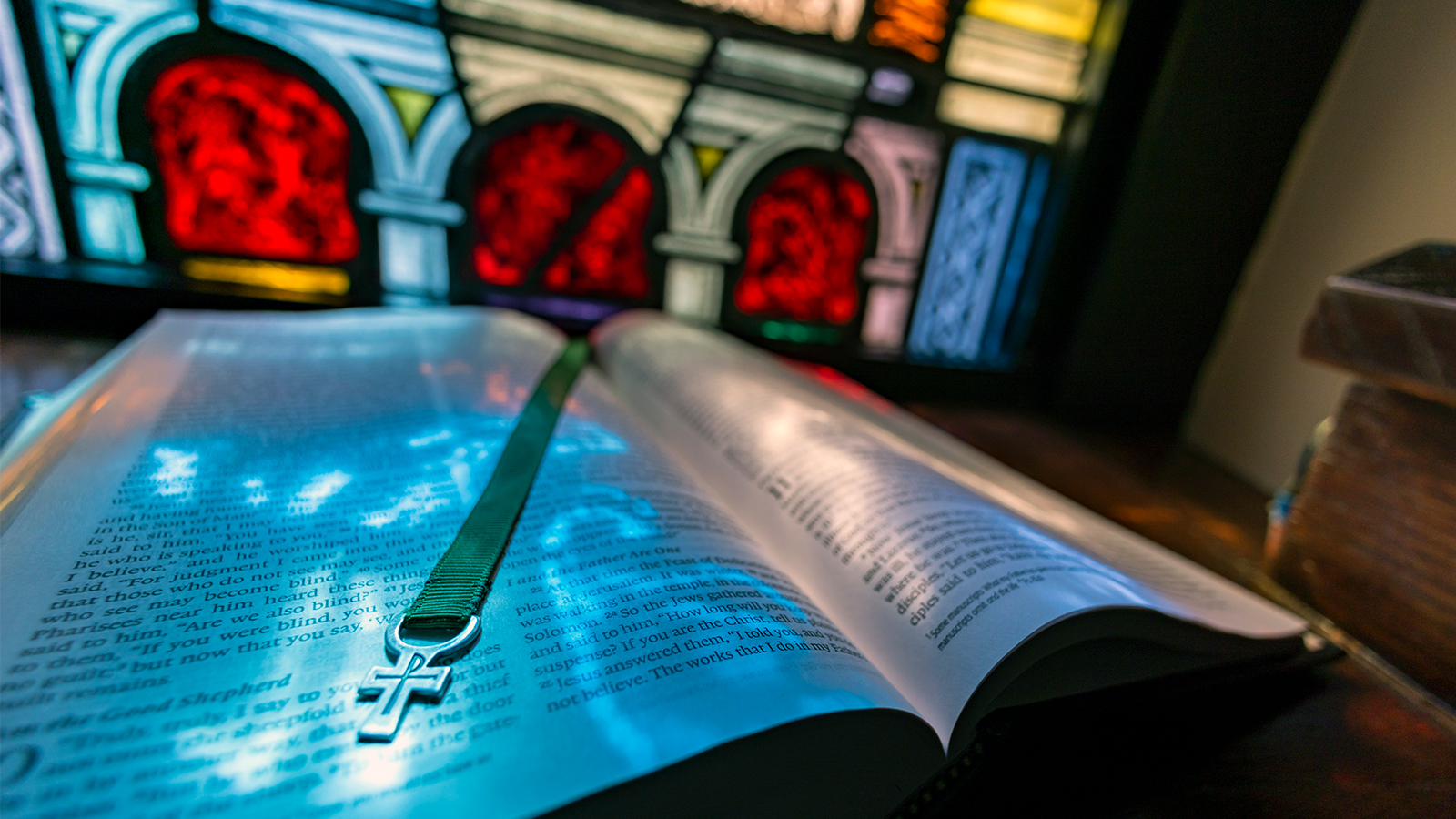
“Whatever task you must do, work as if your soul depends on it, as for the Lord and not for humans.” —Colossians 3:23
For students earning their Doctor of Physical Therapy (DPT) degree at Baylor University, preparing for a career in healthcare involves more than mastering clinical skills. Through the program’s student-led Ministry Team, students are creating opportunities to connect through faith while navigating the challenging demands of a rigorous doctoral program.
What began with a handful of students hosting Bible studies during the program’s inaugural year has evolved into an established student organization that now serves each DPT cohort. Guided by Baylor’s mission to integrate Christian commitment with academic excellence, the team organizes initiatives ranging from prayer gatherings and testimony-sharing nights to worship events and spiritual support networks.
One of the group’s most visible traditions is the “Wednesday Word,” a weekly devotional written by students and faculty that is distributed throughout the program. The reflections often draw connections between faith, personal experiences, and the realities of preparing for a career in physical therapy.
“It’s become a steady reminder to pause, breathe, and look back to the Lord,” first-year student Elaina Gray, said.
Assistant Director of Student Support Cassie Godfrey, who serves as staff liaison for the Ministry Team, said, “The group works to love God and love people well within their cohort through Wednesday Word, prayer for classmates, faculty and staff, Bible study during lab immersion, and other methods they develop to support their classmates.”
For second-year student Lexi Massey, the devotionals often create opportunities for meaningful conversations.
“Every once in a while, we get a reply from someone who felt encouraged by a Wednesday Word,” she said. “Knowing that God’s Word is being highlighted, and the Scripture will accomplish its purpose, makes writing the entries worthwhile.”
Because Baylor’s DPT program operates in a hybrid format, members of the Ministry Team say building community requires intentional effort. To help bridge the distance, students also organized Selah, a worship and prayer gathering that offers classmates a chance to step away from coursework and reconnect with one another.
“In the middle of a demanding semester, people shared stories, opened Scripture together, prayed for one another, and rested at the Lord’s feet,” Gray said. “It was a beautiful reminder that God meets us when we slow down.”
Students say faith also influences how they view their future profession as physical therapists.
“Physical therapy is deeply relational,” Gray said. "My faith reminds me to approach every patient with humility, patience, and compassion.”
Jaxon Canard, a second-year student, believes faith can help future clinicians care for patients more holistically.
“We are complex people, and our spiritual well-being is equally as important as our physical body,” he said. “Being able to address those needs allows us to treat the whole person.”
For many students, the most meaningful aspect of the Ministry Team is the sense of community it creates during an intense doctoral program.
“The most rewarding part has been walking alongside my classmates more deeply, praying for them, encouraging them, and seeing how God uses small moments to meet people right where they are,” Gray said.
As students prepare for careers centered on helping others heal, the Baylor Physical Therapy Ministry Team continues to provide a space where faith, service and professional development intersect, reminding students that caring for others begins with caring for one another. For many members, this mission is grounded in Scripture, particularly Colossians 3:23, a verse frequently referenced by students in the program: “Whatever task you must do, work as if your soul depends on it, as for the Lord and not for humans.”
ABOUT ROBBINS COLLEGE OF HEALTH AND HUMAN SCIENCES AT BAYLOR UNIVERSITY
Established in 2014, Robbins College of Health and Human Sciences seeks to enhance health, quality of life, and human flourishing for all individuals and communities through education, research, and innovation. It includes seven academic departments—Communication Sciences and Disorders; Health, Human Performance, and Recreation; Human Sciences and Design; Occupational Therapy; Physical Therapy; Physician Assistant Studies; and Public Health. Robbins College offers 13 bachelor’s degrees, 10 master’s degrees, and six doctoral degrees, as well as nine graduate programs in partnership with the U.S. Army. Graduate programs in Robbins College are offered in a variety of modalities, including on campus, online, and hybrid.