

FitCheck: Hands-On Learning Meets Community Health
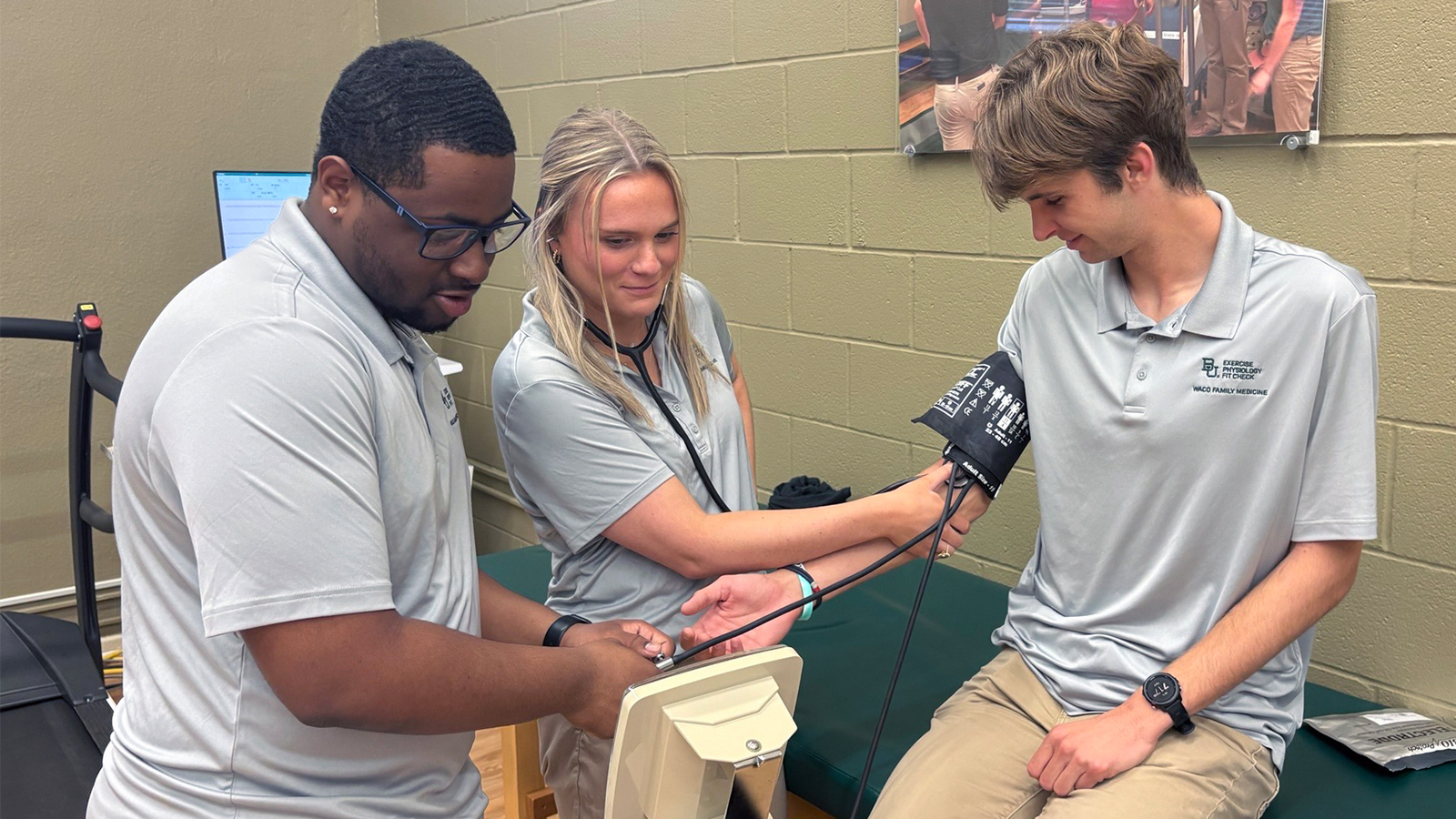
Every spring, Baylor University’s Department of Health, Human Performance, and Recreation invites the Waco community to participate in FitCheck—a comprehensive health and wellness assessment staffed by undergraduate Exercise Physiology students as part of their Exercise Testing and Interpretation II course. The assessment serves as the laboratory portion of the course, which focuses on common physical assessments in clinical and fitness settings, interpreting assessment results, and applying findings for exercise prescription and chronic disease interpretation.
FitCheck includes bloodwork with a full metabolic panel, a DXA scan to measure body composition and bone density, pulmonary function tests to assess lung health, an exercise test to monitor the heart’s electrical activity and blood pressure response during exertion, and an evaluation of flexibility and overall musculoskeletal fitness. Physicians are on site to conduct a pre‑screening to confirm participants can safely complete the testing, as well as an exit interview to discuss results.
“Waco Family Medicine volunteers their time and brings doctors, residents, and fellows who provide physician coverage for the program,” said Brent Dragoo, PhD, Clinical Assistant Professor in the Department of Health, Human Performance, and Recreation.
After the assessment, participants are mailed a personalized report detailing their results, along with an exercise plan designed to meet their fitness goals.
For the Waco community, FitCheck offers specialized, comprehensive health and fitness testing at a significantly reduced cost. This opportunity empowers community members to gain a better understanding of their health—testing that could otherwise be inaccessible.
“If you were to do all these different tests at the hospital today, it could cost anywhere from $2,500 to $5,000. We’re doing it for $50,” Dragoo emphasized.
While FitCheck offers a significant benefit to the community, the program’s primary objective is to build students’ clinical confidence, strengthen patient interaction skills, and refine technical competencies, preparing them for careers in health and fitness.
Dragoo considers the laboratory skills gained in Exercise Testing and Interpretation II essential for students earning their Bachelor of Science degree in Exercise Physiology, describing it as a capstone‑style experience that culminates the knowledge students acquire throughout the major.
“In the fall, I teach the science and the history behind the tests,” Dragoo explained. “Then in the spring we do these tests on actual community participants.”
Before working with members of the community, students practice assessments on each other to become familiar with both the tests and the overall flow of the session. They also role‑play as members of the public, preparing for the types of questions and concerns they may encounter during assessments.
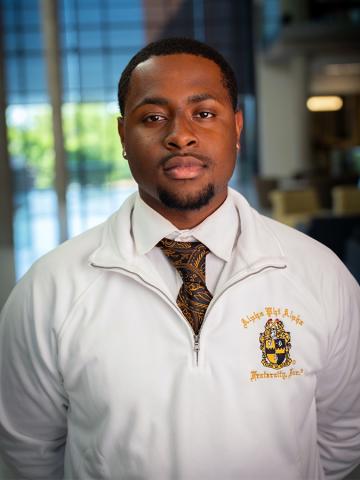
Senior Exercise Physiology major AJ Ward especially valued the opportunity to engage in hands‑on Baylor research.
“Having the experience of putting on an EKG and testing stress levels on the treadmill is giving me that real experience of being in a clinical setting,” Ward said.
A key part of the learning experience came from working with community members while performing exams that can feel personal or uncomfortable.
“You want to make conversation with people to build trust and make sure they feel comfortable with us,” Ward said. He added that he cherished the moments spent connecting with FitCheck participants.
Working closely with Wacoans gave Ward insight into the wide variability of health and physical ability across individuals of different ages, backgrounds, and fitness levels.
“A lesson I learned was to never go in expecting a certain outcome—go in expecting to teach and help people,” Ward said.
Together, the student learning experience and community partnership that define FitCheck highlight the value of experiential education in the health sciences. By combining classroom instruction with real‑world application, the program supports both student development and preventive health within the Waco community.
ABOUT ROBBINS COLLEGE OF HEALTH AND HUMAN SCIENCES AT BAYLOR UNIVERSITY
Established in 2014, Robbins College of Health and Human Sciences seeks to enhance health, quality of life, and human flourishing for all individuals and communities through education, research, and innovation. It includes seven academic departments—Communication Sciences and Disorders; Health, Human Performance, and Recreation; Human Sciences and Design; Occupational Therapy; Physical Therapy; Physician Assistant Studies; and Public Health. Robbins College offers 13 bachelor’s degrees, 10 master’s degrees, and six doctoral degrees, as well as nine graduate programs in partnership with the U.S. Army. Graduate programs in Robbins College are offered in a variety of modalities, including on campus, online, and hybrid.