

Finding Unexpected Joy and Adding Life to a Patient’s Days
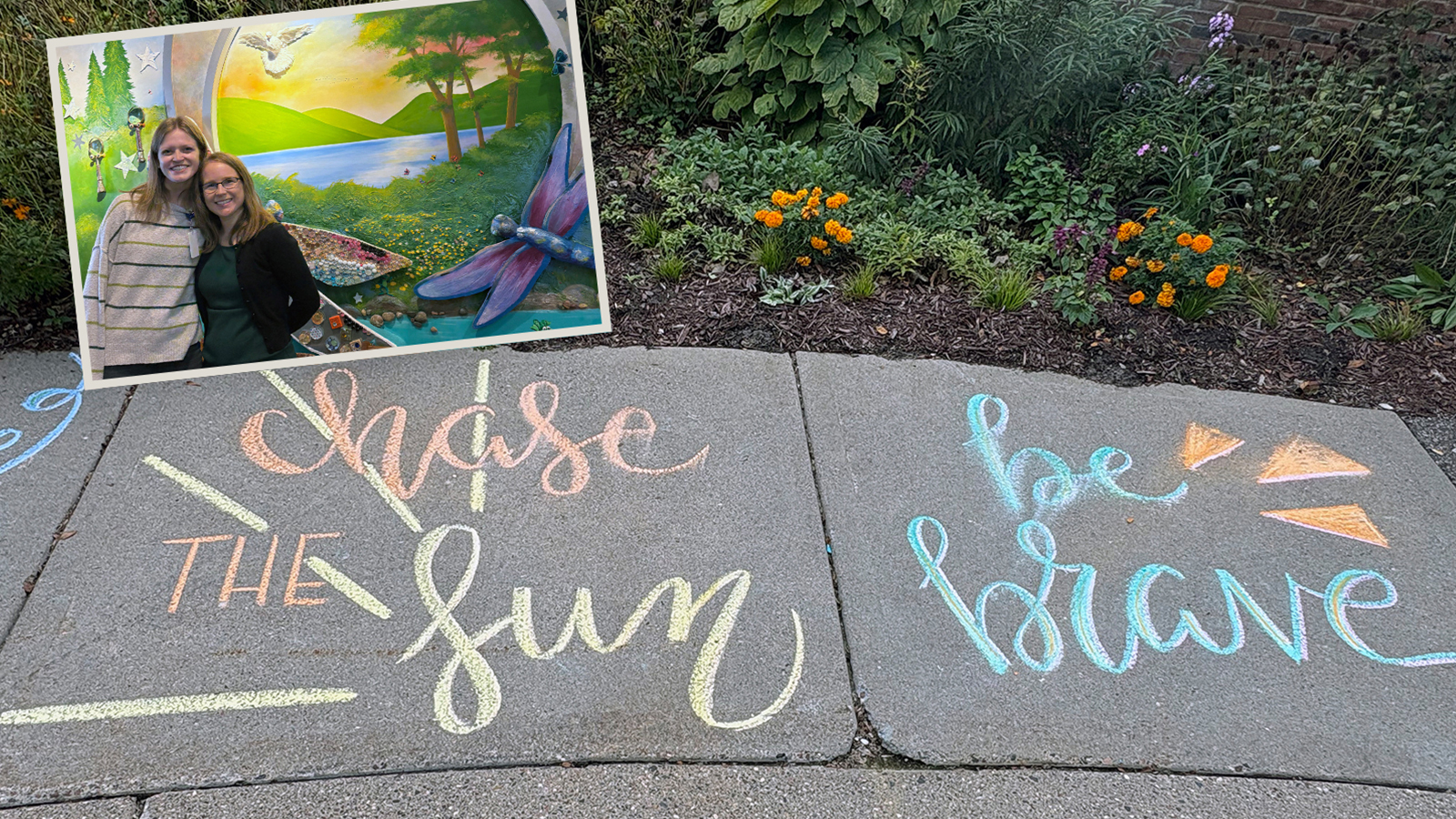
“A common saying we use a lot in occupational therapy is, ‘OT does not add days to your life, but it does add life to your days,’” said Jade Haase, a student in Baylor University’s Entry-level Doctor of Occupational Therapy (OTD) program working on her doctoral capstone project at Crescent Cove Respite and Hospice Home for Kids.
The challenges that life throws at us don’t always have to be moments filled with darkness. They can be full of joy, light, and laughter—it just takes the right kind of people to fill those moments. Pediatric respite care offers a break for parents and guardians who are part- or full-time caretakers for their children and young adults with life-limiting conditions. There are only three pediatric respite and hospice homes in the United States, which is what makes places like Crescent Cove so unique and special.
“You hear pediatric respite and hospice for life-limiting conditions, and a lot of people immediately associate this with sadness—and I get to tell them that, it’s actually not. There are tough moments, obviously, but there’s also so much joy and so much celebration of what these kids have and what they can do,” she stated.
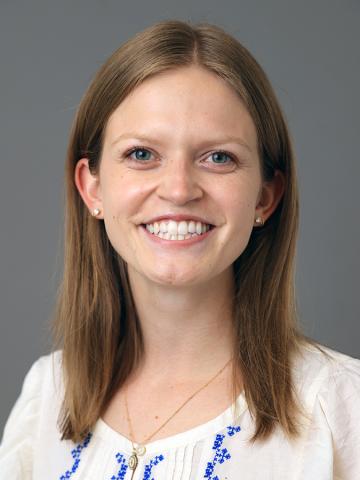
During Haase’s time at Crescent Cove, her capstone project has explored the administrative side of a healthcare setting. She has looked at how to improve the intake and pre-admission process that allows the children or young adults to receive more individualized and meaningful play with volunteers at Crescent Cove.
Haase explained there are many different kinds of play, and person will have their own preference for what type of play they enjoy the most. Thus, she created a thorough intake survey for parents to fill out regarding what type of play their child enjoys at home. By surveying this input using a Likert scale, Haase can ensure volunteers implement the type of play these children and young adults are known to enjoy, helping them feel more comfortable and at-home while they are staying at Crescent Cove.
Additionally, the survey asks questions about types of play and a mix of select-all-that-apply and open response questions to learn about sensory preferences, sensory aversions, communication, physical and environmental supports, and group versus individual preferences. This information all helps to individualize the specific activities the patients like.
Haase’s project also explores the emerging avenues and applications of occupational therapy.
“On top of intake is advocacy for OT in this respite and hospice world, where we get to show how occupational therapists can help in nontraditional ways beyond clinics, and how we can be useful in administrative ways as well,” she explained.
The mental health and adaptability aspects of pediatric respite care are what originally called Haase to this role. Faith is a driving force in all her work, and she is passionate about meeting patients where they are at in their abilities and helping them to grow and find strength in what they are given. Haase hopes to continue her work in the pediatric field beyond graduation, making meaningful relationships with those she works with.
“All the staff at Crescent Cove are amazing! I have felt so supported by the nurses, the certified nursing assistants, and all the office staff,” she said. “It’s clear that everyone here has such a passion and are definitely called into this line of work.”
People like Haase, and everyone at Crescent Cove, are reminders of the influence we can have on the environment around us, as they continue to pour into every patient and family member. And, though they cannot add days to their patients’ lives, they are certainly able to add life to their patients’ days.
ABOUT ROBBINS COLLEGE OF HEALTH AND HUMAN SCIENCES AT BAYLOR UNIVERSITY
Established in 2014, Robbins College of Health and Human Sciences seeks to enhance health, quality of life, and human flourishing for all individuals and communities through education, research, and innovation. It includes seven academic departments—Communication Sciences and Disorders; Health, Human Performance, and Recreation; Human Sciences and Design; Occupational Therapy; Physical Therapy; Physician Assistant Studies; and Public Health. Robbins College offers 13 bachelor’s degrees, 10 master’s degrees, and six doctoral degrees, as well as nine graduate programs in partnership with the U.S. Army. Graduate programs in Robbins College are offered in a variety of modalities, including on campus, online, and hybrid.