

Designing Futures with Faith
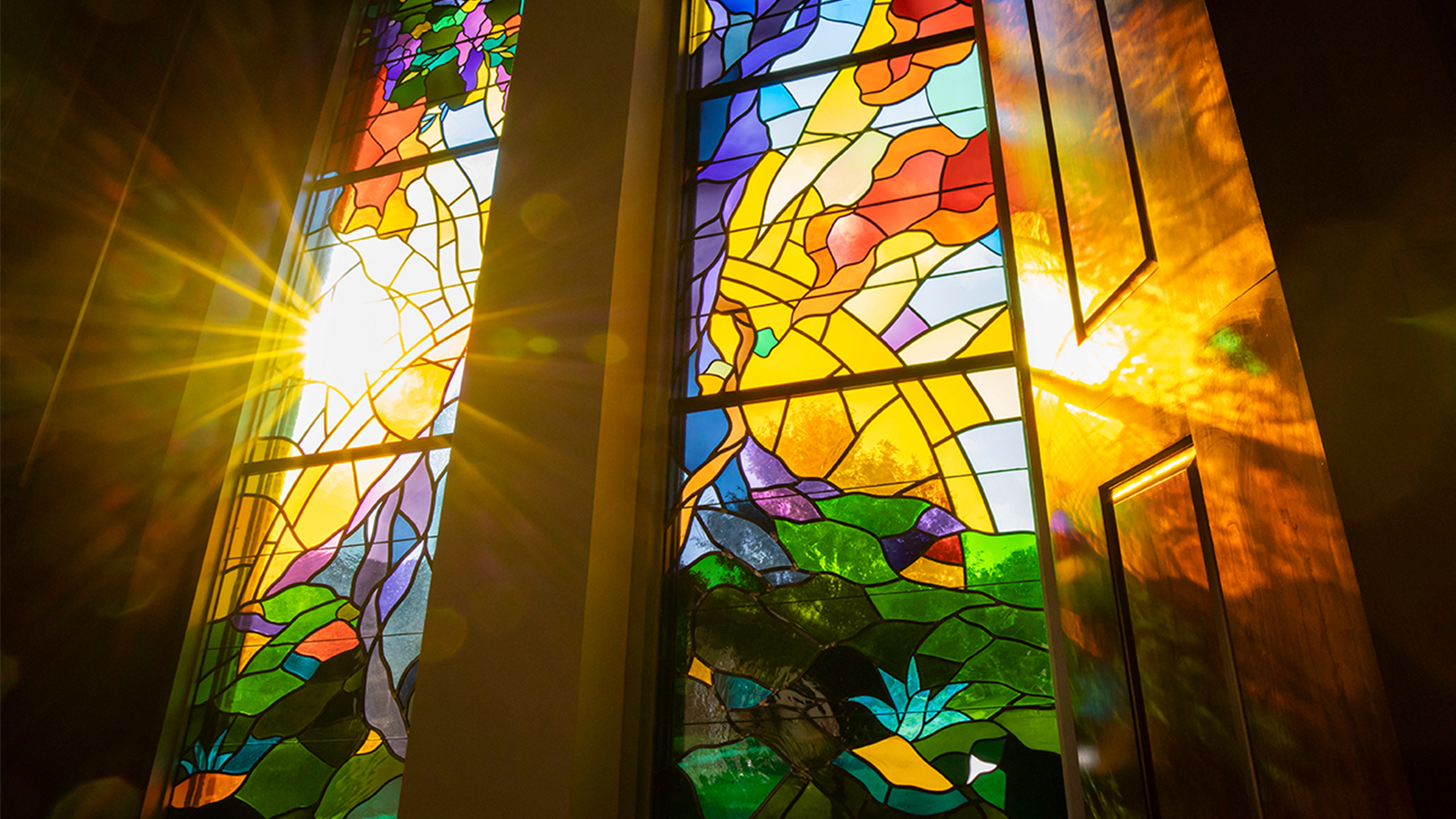
At Baylor University, faith is not confined to Sunday worship or to the walls of the chapel. Here, faith blossoms in the classroom as well.
One of the University’s core commitments, outlined in its mission statement, is “integrating academic excellence and Christian commitment.” This unique integration of faith and academics is a distinction that continues to draw students seeking both intellectual and spiritual growth. Baylor offers numerous chapel options, evolving over the years to cater to a diverse range of student interests. In fact, there is now such an extensive selection of options that there is even a Chapel Buzz Quiz that students can take to find the perfect match for them. This helpful tool allows students to explore chapels that align with their passions, denominations, and for some, even their area of academic interests.
Faith & Arts: Interior Design, is intentionally designed for Baylor’s Interior Design program which is ranked as the third best school for interior design in Texas for 2026. A requirement for Interior Design freshmen, this chapel allows students within this major to meet with fellow classmates and learn more about the connections between their academic area of interest and faith.
Junior Jelayra Taylor explained that this chapel allowed her and her peers to explore questions such as, “How would God want us to use a building serve other people?” and “How would God want us to create these buildings with the art or talent that we’ve been given?” Diving into these faith-based questions allows Interior Design students to seek their answers to these questions through personal discovery, conversing with their peers, interactions with professor, as well as listening to guest speakers.
“The Interior Design chapel course follows an intentionally simple format to promote engagement of each student each week,” stated Ann Theriot, MA, ASID, NCIDQ, Chapel Instructor and Clinical Associate Professor of Interior Design.
Students engage in weekly group discussions, read aloud from their textbook titled “The Humble Creative: Moral Vice and the Pursuit of Flourishing Creativity,” and have visits from guest speakers on topics such as transcendent beauty and finding missional purpose in a design career. Testimonials from professional experiences as Christian creatives often leave a lasting impression on the students. One experience that stood out to Taylor was a visit from Matthew Niermann, the author of their textbook.
“Niermann’s visit overlapped with what we were learning and our degree path because the textbook explained how artistic sense goes with our major,” Taylor said. “We got to actually hear the architect speak about it, which was a really cool experience.”
Immersion in the Faith & Arts chapel eloquently equips students with the tools needed to navigate their coursework and future careers as interior designers. For example, students learn how to give and receive constructive feedback and highlight the significance of their work.
“The students are assigned a handful of participatory activities focused on acknowledging others’ good work, recognizing and responding to flaws in their own studio work, accepting healthy critique as a means of improving their creative expressions, and recognizing universal signs of beauty around them,” Theriot explained.
In addition, this chapel acts as an introduction for each Interior Design cohort, as students quickly meet peers who will be in their cohort for the next four years. The program supports them in building relationships with each other on a deeper level.
“All Interior Design freshmen are required to take this course, and we have found that it is playing a positive role in binding the cohort together in friendship and care from a spiritual perspective within the first year,” Theriot said. “Our vision is that this chapel program also teaches them important lessons about the virtues of well-ordered creativity in the context of their chosen studio-based major.”
Taylor wholeheartedly agreed that this chapel setting, along with its small size and intimate feel, helped her to form more meaningful relationships with her peers.
“We had our typical classes, and then through chapel we got to know each other on a different level,” she said. “Now, when we have class with Professor Theriot, we have a deeper connection not just within the chapel itself, but also in our other studio classes.”
The Faith & Arts: Interior Design chapel is a prime example of Baylor’s mission of combining academic excellence with Christian commitment. Further, Professor Theriot’s commitment to her students is also a testament to professors who are essential figures in helping students to succeed beyond just their time at the University.
In regard to what she hopes students will take away from Interior Design’s chapel, Theriot stated, “I hope that students finish this course with a lasting impression of the universality of goodness, truth and beauty, and that they commit to pursuing those principles diligently in their creative endeavors with a recognition that it glorifies God when we use our skills and talents with excellence.”
ABOUT ROBBINS COLLEGE OF HEALTH AND HUMAN SCIENCES AT BAYLOR UNIVERSITY
Established in 2014, Robbins College of Health and Human Sciences seeks to enhance health, quality of life, and human flourishing for all individuals and communities through education, research, and innovation. It includes seven academic departments—Communication Sciences and Disorders; Health, Human Performance, and Recreation; Human Sciences and Design; Occupational Therapy; Physical Therapy; Physician Assistant Studies; and Public Health. Robbins College offers 13 bachelor’s degrees, 10 master’s degrees, and six doctoral degrees, as well as nine graduate programs in partnership with the U.S. Army. Graduate programs in Robbins College are offered in a variety of modalities, including on campus, online, and hybrid.