

Physical Education Builds Healthier Minds and Bodies
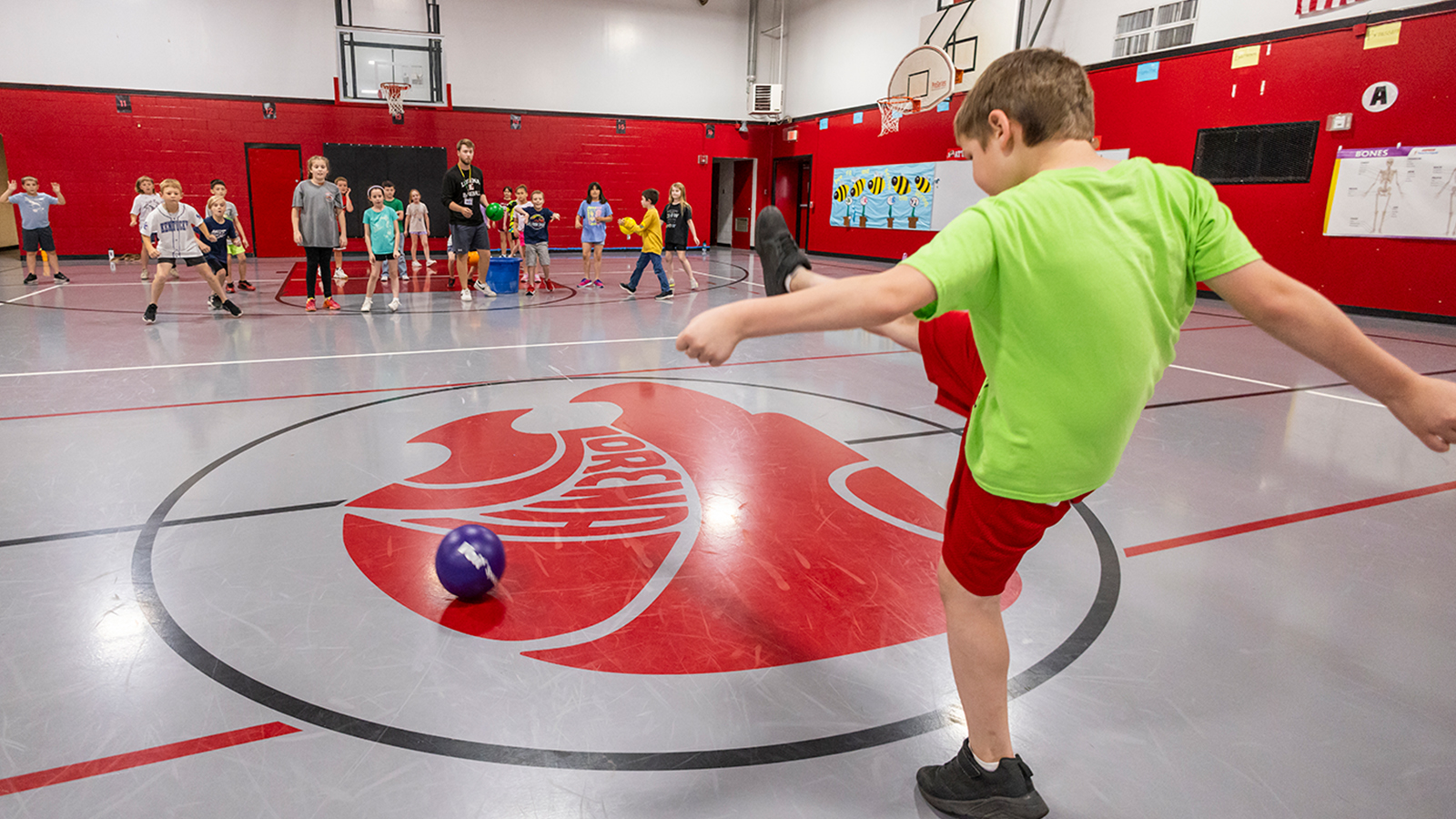
Physical Education (PE) is more than just a break from the academic school day to burn off extra energy. Instead, Baylor University alumni Karla Bailey-Harris and Kyle Combs say it is vital to students’ physical, mental, and social development, encouraging confidence and comradery through intentional movement.
Bailey-Harris, who earned undergraduate degrees in physical education and history in 1990 and a master’s degree in sport management in 2000, has 35 years of teaching experience, focusing mostly on PE and coaching. Throughout her time as a PE teacher, the genuine joy that students experienced in PE class stood out the most to her.
“I have kids come up to me and say, ‘I only want to come to school for PE,’” she said.
Combs, who earned his master’s degree in sport pedagogy in 2019 and is now a PE teacher and basketball coach at Waco’s Live Oak Classical School, echoed Bailey-Harris’s words.
“You can just see the joy on their faces, and that’s why I do what I do. I just love to see their growth,” he said. “I think kids appreciate a designated time during their school day to get outside or in the gym and not worry about anything else—they can just get in there, move their bodies, and get better.”
Not only does PE create that joy by allowing for learning to be fun and balanced, but it is also a proven mood-booster through the release of endorphins. After intentional movement in PE class, energy levels tend to rise and focus improves, making a big difference in how well students learn and handle everyday challenges.
“When the kids get out of the classroom, off of technology, and into PE class, we see improvement back in the classroom,” Combs said.

Bailey-Harris described that concept as “action-based learning,” which links physical movement to better academic and behavioral performance. She recalls a rewarding moment in her teaching career in which she was able to use PE class as an opportunity to teach students the continents for an upcoming test, combining their learning inside the classroom with physical movement outside the classroom.
“Nearly 90% of the class passed that exam, and it’s because of that strategy,” she said, with a smile. “I was proud of that one!”
In addition, intentional movements scientifically benefit physical growth. PE classes build strength and improve balance and coordination. Staying active can lower the risk of serious health problems later in life—things like obesity, diabetes, and heart disease. It increases mental growth as well, benefiting brain development at a young age.
“When you exercise, there are increases in proteins that help brain cells. BDNF, or brain-derived neurotrophic factor, is the most studied of the proteins that affect the brain,” Bailey-Harris said. “If you think of brain cells as a garden, BDNF is the fertilizer. All exercise is beneficial, but cardio exercises are the most effective in increasing BDNF.”
PE helps students set personal goals, challenge themselves, and see improvement over time, increasing confidence levels. For Combs, watching his students’ progress throughout the school year is extremely rewarding. What makes this process possible is a PE teacher’s ability to encourage resilience through small steps.
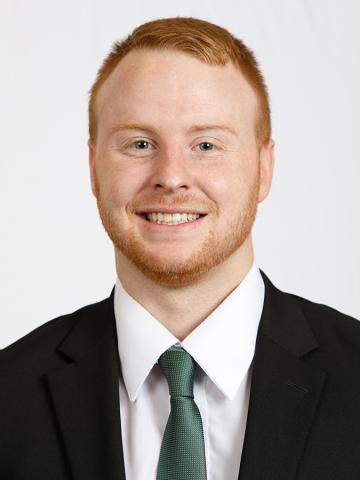
“We say we just want to get 1% better every day,” he said. “We’re all stronger than we think we are.”
Yet, it goes beyond just physical and mental growth. PE allows students to build life skills that will continue past the classroom and be practical in their everyday lives, such as teamwork, sportsmanship, and losing with grace. Those life skills are built by the strategies and practices of a PE teacher, making the profession rewarding but tough.
“Being a PE teacher is challenging, and you constantly have to meet those challenges, but it’s incredible because you can add so much academically though PE,” Bailey-Harris said. “I always had to be quick on my feet, forming meaningful lesson plans and adapting to changes, but it’s worth it.”
At Baylor, the Physical Education (All-Level/K-12) program in the Department of Health, Human Performance, and Recreation (HHPR) provides undergraduate students with an opportunity to gain hands-on experience before entering into the career field, allowing them to gain the skills necessary to meet those challenges.
“When I was an undergrad at Baylor, HHPR was focused on teaching us how to become quality teachers and coaches,” Bailey-Harris said.
As a graduate student, Combs found his education and coaching skills to be mutually beneficial. He used his coaching experience in HHPR’s Lifetime Fitness classes and outside internships as a basis for research projects.
“My learning was multiplied by taking in information but also producing and contributing new information in areas that greatly interest me,” he said. “I have always believed that the best way to learn is to teach others, and that is exactly what my Baylor education provided.”
Now, as a full-time PE teacher and coach, Combs understands to an even greater degree how vital the work of PE teachers is to a quality education, particularly through the promotion of healthy lifestyles, goal-setting behavior, and teamwork. In PE, students are engaging in more than physical exercise, they are forming habits that will become the foundation for a successful future in all aspects of their lives.
ABOUT ROBBINS COLLEGE OF HEALTH AND HUMAN SCIENCES AT BAYLOR UNIVERSITY
Established in 2014, Robbins College of Health and Human Sciences seeks to enhance health, quality of life, and human flourishing for all individuals and communities through education, research, and innovation. It includes six academic departments—Communication Sciences and Disorders; Health, Human Performance, and Recreation; Human Sciences and Design; Occupational Therapy; Physical Therapy; and Public Health—along with the Division of Health Professions, which houses the Master of Physician Assistant Studies program. Robbins College offers 13 bachelor’s degrees, eight master’s degrees, and six doctoral degrees, as well as nine graduate programs in partnership with the U.S. Army. Graduate programs in Robbins College are offered in a variety of modalities, including on campus, online, and hybrid.