

Furthering His Kingdom through Research
"I believe God equips each person with unique gifts to be used in both their personal and professional lives to further His kingdom. For me, research is one of the many avenues through which those gifts can be used. The purpose of research is to uncover new insights and provide critical data that support the work of others and contribute to improving lives. Its collaborative nature also creates opportunities to engage with individuals from diverse backgrounds and to build meaningful, Christ-centered relationships along the way." —Beth Lanning, PhD, MCHES

At Baylor University, the pursuit of knowledge through research is not merely an academic endeavor. Instead, it is a path to exploring and celebrating God's creation as well as serving and caring for others. The lab, then, becomes a sacred space to use God's gifts to His glory.
Hear from these researchers in Baylor's Robbins College of Health and Human Sciences about the calling they have found at the intersection of faith and research:
Michelle Law, PhD, RD
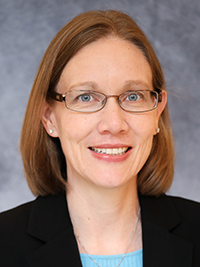
"God has given me many educational and training opportunities, mentors who have spoken into my life and work, and a passion for the biological sciences. My goal as a Christ follower is to use these God-given gifts for His glory and the good of others. This manifests as knowledge discovery that may lead to improved understanding of cancer cachexia and development of better treatment options for this devastating consequence of advanced cancer. This also manifests as teaching and mentoring students in the lab to help them gain the skills they need to pursue their God-given calling.
Doing this work for God's glory and the good of others provides purpose and strength that keeps me going through the difficult days when nothing seems to be working or going as planned. Challenges are at the center of scientific discovery—doing good research is not easy! I know that God will provide what is needed for me to do the work He has called me to do, however big or small that may seem. The work each of us does is all part of God's plan to improve human flourishing."
Daniel Kim, PhD
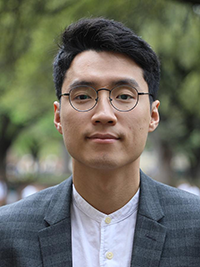
"For me, integrating faith and research means approaching scientific inquiry with compassion, grace, and a sense of purpose. In my research on motor speech disorders in individuals with neurological diseases, I am driven not only to understand the effects of these conditions but also to help improve speech production and communication. Proverbs 16:24 reminds me that 'Gracious words are a honeycomb, sweet to the soul and healing to the bones,' which speaks to how valuable speech is for human connection and quality of life. Faith encourages me to see beyond the data and stay mindful of the people involved in my work.
Faith makes me a better researcher by shaping how I approach challenges, managing relationships, and understanding the purpose behind my work. As 2 Corinthians 9:7 says, 'Each of you should give what you have decided in your heart to give, not reluctantly or under compulsion, for God loves a cheerful giver.' This perspective helps me approach research not merely as a career, but as a way to serve and give generously of my skills and time. It also keeps me grounded and hopeful, knowing that helping someone improve their ability to speak can profoundly enhance their communication and quality of life."
Karen Melton, PhD
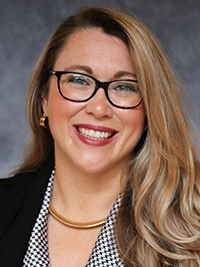
"My research begins with a core Christian conviction: that every person is made in the image of God (Imago Dei) and is deeply beloved. That belief in human dignity is not just theological—it shapes how I see people, how I conduct research, and how I design programs that help students, families, and communities flourish. My faith gives me a lens of love, humility, and hope. I believe we were created for relationships, and so I study how structured experiences—like camps, student programs, family activities, and faith-based initiatives—can cultivate faith, character, and strengthen connection.
Working at a Christian university has given me space to grow in both my scholarship and my spiritual life. I've been surrounded by mentors who model how faith and research can be deeply integrated—not just in theory, but in practice. Integrating faith into my work doesn't just change what I study; it changes how I study. My faith instills in me the humility to know I don't have all the answers, and the courage to keep asking meaningful questions anyway. And it gives me hope—not the optimism that overlooks suffering, but the rooted, resilient kind of hope that believes transformation is always possible."
ABOUT ROBBINS COLLEGE OF HEALTH AND HUMAN SCIENCES AT BAYLOR UNIVERSITY
Established in 2014, Robbins College of Health and Human Sciences seeks to enhance health, quality of life, and human flourishing for all individuals and communities through education, research, and innovation. It includes six academic departments—Communication Sciences and Disorders; Health, Human Performance, and Recreation; Human Sciences and Design; Occupational Therapy; Physical Therapy; and Public Health—along with the Division of Health Professions, which houses the Master of Physician Assistant Studies program. Robbins College offers 13 bachelor’s degrees, eight master’s degrees, and six doctoral degrees, as well as nine graduate programs in partnership with the U.S. Army. Graduate programs in Robbins College are offered in a variety of modalities, including on campus, online, and hybrid.