

Empowering People to Love Life, Again
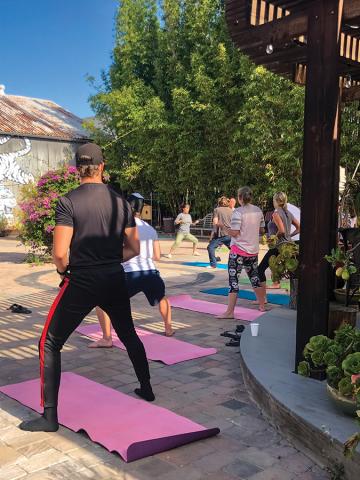
Just a short drive from Newport Beach sits an old barn flanked by peaceful indoor and outdoor spaces, bamboo forests, and friendly dogs. Aptly named, Barn Life Recovery has resided as a holistic rehabilitation center since 2018, providing community-based treatment for individuals living with mood disorders like anxiety, bipolar disorder, depression, obsessive-compulsive disorder, and substance use disorder.
With an innovative focus on personalized case management and life skills support, Barn Life Recovery’s interdisciplinary practitioners create comprehensive plans for patients that address both mental and physical imbalances in the body. As a result of its holistic approach, Barn Life Recovery became the first licensed outpatient facility sanctioned to treat mental illness and co-occurring disorders in California.
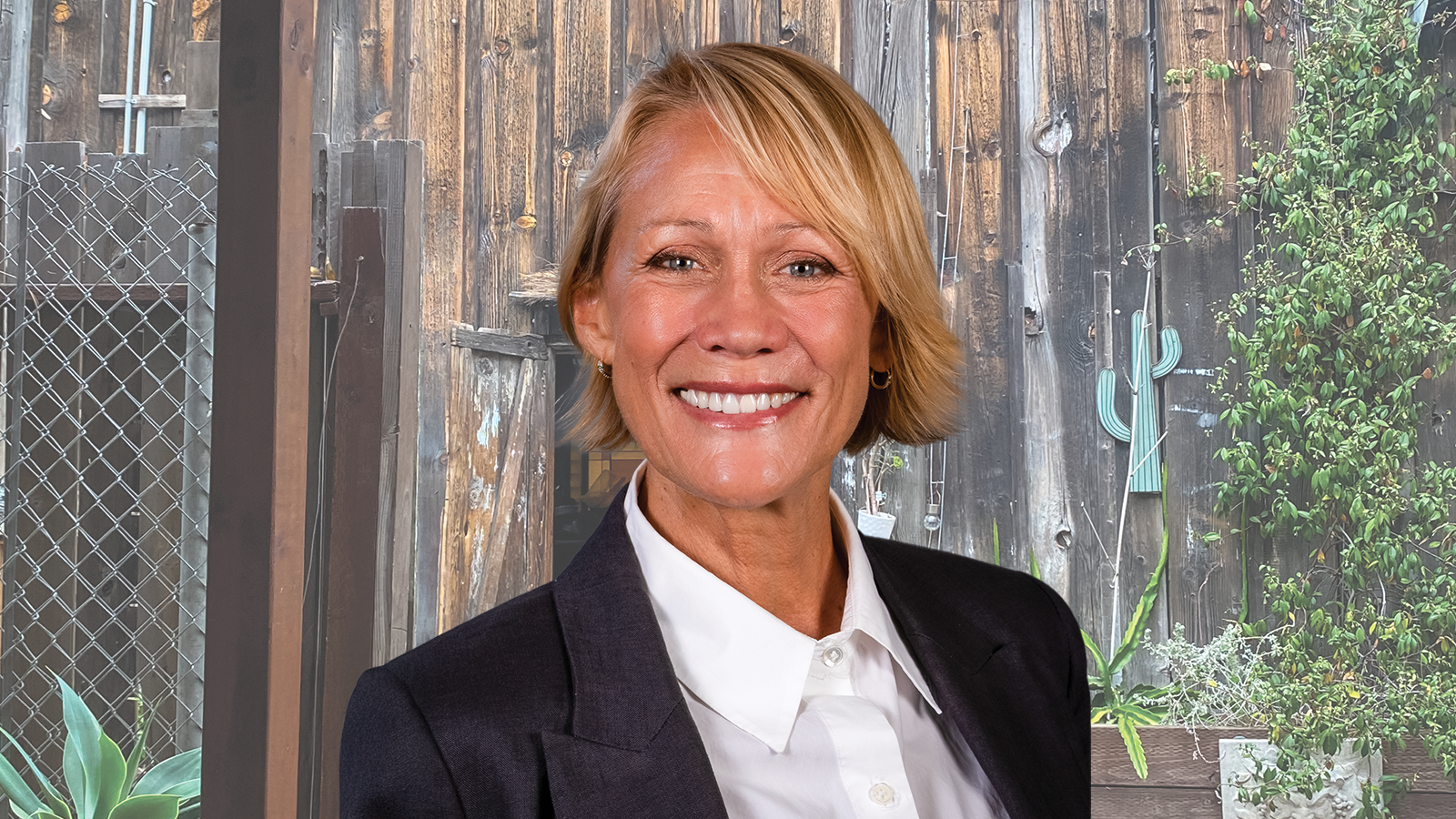
Among the center’s practitioners is Baylor University alumna Polly Sweitzer, OTD, OTR/L, who serves as the Doctor of Occupational Therapy (OTD) in mental health.
Founded in eastern and western medicine, the center utilizes therapies like acupuncture, art therapy, music therapy, tai chi, therapeutic massage, and yoga. Typically, Sweitzer and her colleagues spend three months with patients, as they work through treatment at various service levels: partial hospitalization program (PHP), then intensive outpatient program (IOP), and finally discharge. During PHP, patients engage in intense therapy five days a week. After reaching certain goals, they transition to IOP and attend three days a week. The intentional decrease in therapy intensity allows patients to slowly integrate into their life.
“My patients and I focus on setting attainable goals,” she said. “With this approach, people feel well equipped. Once they’ve developed some tools, they have the opportunity to step out into the world and practice while still getting the support of frequent in-clinic therapy.”
Proudly a member of the Department of Occupational Therapy’s inaugural cohort, Sweitzer fondly recalls entering Baylor’s Entry-level OTD program at 55 years of age. The program’s required capstone project, which provides in-depth exposure to skills such as clinical practice, program and policy development, research, and advocacy, led to her introduction to Barn Life Recovery.
“I made so many beautiful friends at Baylor, people who are still my friends today. I was so afraid that I was just going to be the ‘mom’ during lab immersions, but what I got was really a very palpable respect—not because of my age or my experience, but because I had earned my spot in the cohort,” she recalled. “By the time I entered my capstone, I felt so confident. I really felt so well-equipped to do this particular job. I established relationships with staff and with clients, all while Baylor professors embraced me with confidence and reminded me that I had the skills to do this.”
“This is something that I learned uniquely at Baylor—you’re not going to know everything, but as a Doctor of Occupational Therapy, you have all the research skills.”
Polly Sweitzer, OTD, OTR/L
Through her research during the capstone project, Sweitzer learned that most psychiatric medications prescribed for mood disorders often come with a side effect of diminishing executive functioning skills. This inspired her to develop a program that was based on increasing executive functioning skills for her clients with mood disorders.
“This is exactly our primary focus as occupational therapists—removing barriers from doing things,” she stated. “We know, definitively, that the doing of things can make us feel whole, dignified, worthy, and confident.”
At the time, the center didn’t have an occupational therapist as part of its team, but Sweitzer felt her diverse skill set could introduce occupational therapy to mental health. By the time she finalized her capstone project, Sweitzer had designed a post-graduation career for herself at Barn Life Recovery.
Sweitzer, who has always been interested in mind, body, and spiritual wellness, now utilizes the center’s alternative methods while keeping true to her profession’s roots. She works alongside patients, each focused on long-term, effective solutions to recovery.
“My biggest challenge is that people don’t know what occupational therapy is—people normally encounter occupational therapists in a hospital setting, so that’s their idea of what occupational therapy is,” she said. “But it’s so much more than that.
“Generally, I work to increase a patient’s occupational functioning and engagement. Many people have disorders like agoraphobia—the fear and avoidance of social situations. We work on communication skills, and I help people with résumé and career planning, because at the end of the day, these are occupational engagements. Some patients receive food stamp benefits, or their nutrition comes from a local food bank. How do you make that work? How do you make it delicious? I try to get them excited about developing new skills.”
Established research shows that trauma lives deep within the body, and it can manifest into mental and physical symptoms. To aid in recovery, Sweitzer does somatic therapy through which she teaches patients to use mind-body techniques to help release pent-up emotions. One patient who left a lasting impression on Sweitzer was dealing with Stockholm syndrome after being sexually trafficked, held captive, and tortured. Initially, Sweitzer didn’t know the intricacies of Stockholm syndrome, so she set out to gain as much knowledge as possible.
“This is something that I learned uniquely at Baylor—you’re not going to know everything, but as a Doctor of Occupational Therapy, you have all the research skills. My professors taught us so well in how to access medical libraries, look up current evidence, and educate ourselves,” she said. “I’m working with this client on setting boundaries, reality and narratives therapies, and discussions to essentially set herself emotionally free from her captors. We do somatic exercises that can spark real, emotional revelations—when the body realizes it can rebound and it is safe, then the mind follows.”
As Sweitzer embraces the center’s holistic ways, she is also steadfast in her responsibility to share what occupational therapy is. Her love for Baylor endures, as she remains pen pals with a favorite professor and supervises two OTD fieldwork interns. Next year, Sweitzer will come full circle by mentoring a capstone student at Barn Life Recovery.
“I’d like to encourage the next generation of occupational therapists to know what their unique talents are and where their interests lie, because this OTD degree is so versatile,” she expressed. “One of my fellow students works with horses in Alaska, and another is designing better car seats for children with disabilities. It’s really inspiring and fascinating. You will have talented Baylor professors to help coach and guide you, and really, make a dream come true.”
ABOUT ROBBINS COLLEGE OF HEALTH AND HUMAN SCIENCES AT BAYLOR UNIVERSITY
Established in 2014, Robbins College of Health and Human Sciences seeks to enhance health, quality of life, and human flourishing for all individuals and communities through education, research, and innovation. It includes six academic departments—Communication Sciences and Disorders; Health, Human Performance, and Recreation; Human Sciences and Design; Occupational Therapy; Physical Therapy; and Public Health—along with the Division of Health Professions, which houses the Master of Physician Assistant Studies program. Robbins College offers 13 bachelor’s degrees, eight master’s degrees, and six doctoral degrees, as well as nine graduate programs in partnership with the U.S. Army. Graduate programs in Robbins College are offered in a variety of modalities, including on campus, online, and hybrid.