

Bridgebuilding Fellow Samantha Dvorak: Fostering Civil Discourse in the Classroom
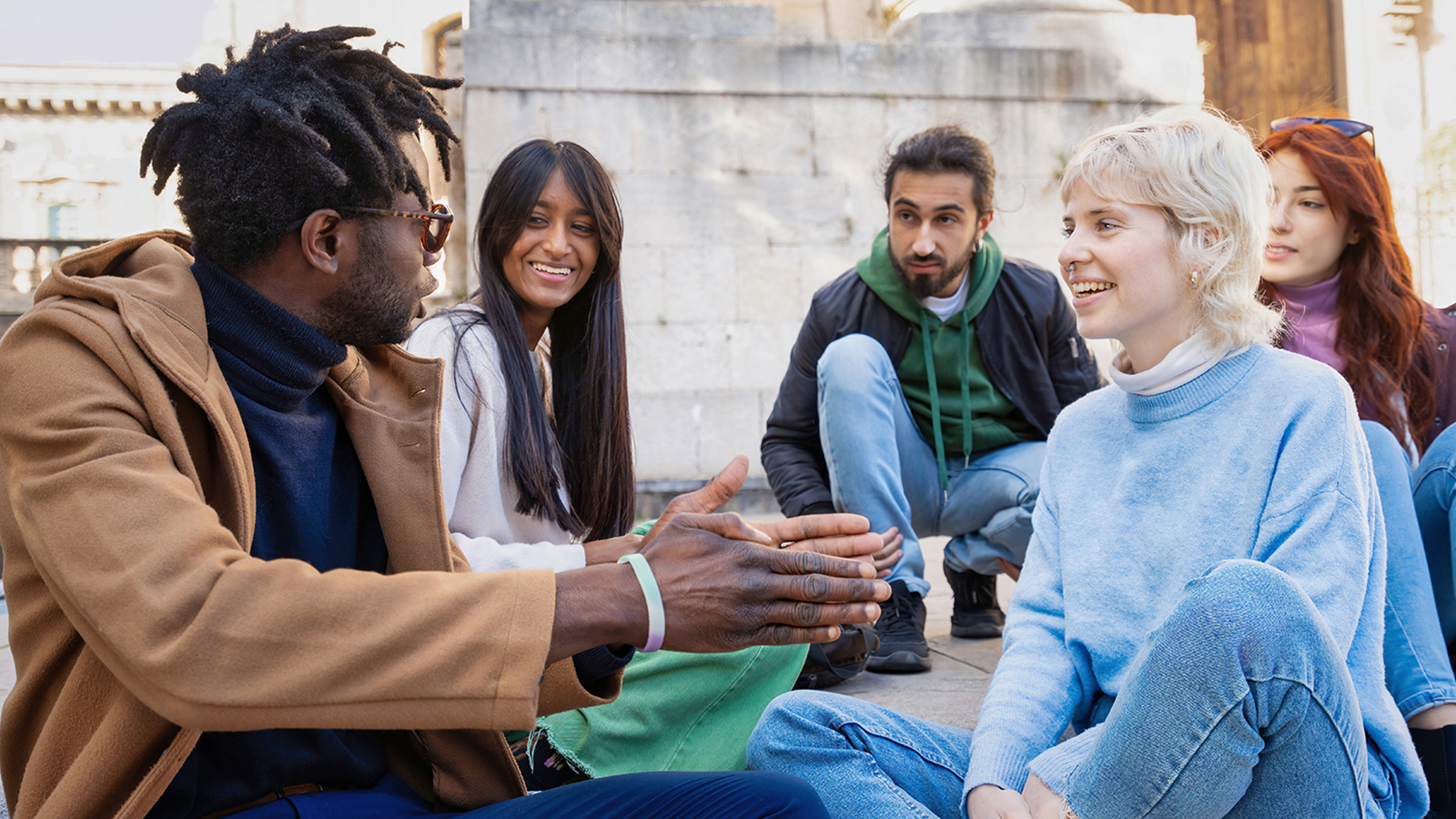
As part of Baylor University’s dedicated focus on civil discourse, 12 faculty members joined the inaugural cohort of Bridgebuilding Fellows in 2024. One member is Robbins College of Health and Human Sciences’ very own, Samantha Dvorak, SLPD, CCC-SLP, Associate Chair for Residential Academic Programs, Undergraduate Program Director, and Clinical Associate Professor, for the Department of Communication Sciences and Disorders (CSD).
The faculty cohort completed training using Bridging the Gap curriculum, a grant-funded program through Interfaith America, that prepares educators and students with skills to effectively engage within polarized environments. Currently, the Fellows are beginning to integrate this knowledge into their own classrooms, helping students develop skills necessary to actively listen, be heard, and seek common ground amongst those who may think differently.
In this Q&A, Dvorak shares her commitment to fostering healthy civil discourse—without compromising one’s deeply-held values—both inside and outside of the classroom.
I found it fascinating how different the perspectives of the Faculty Fellows were from one another, but we all still have the same goals of serving our Father and providing the best possible education to our students.
Why did you choose to participate in Baylor’s first faculty cohort of Bridgebuilding Fellows?
Civil discourse is important for all citizens. As an educator in higher education, preparing students who are empathetic and respectful during interactions with all individuals is a skill I hope all my students are imparted with before they graduate. Participating in the Bridgebuilding Fellows has provided me with a foundation for understanding bridgebuilding and how to instruct students to be bridgebuilders.
Please tell us a little bit about your experience in the program.
The Bridgebuilding Fellows program began with a three-day training in August 2024. During this training, Fellows participated in the Bridgebuilding course, but also discussed how this content could be added to our respective colleges and programs. Throughout the academic year, Bridgebuilding Faculty Fellows and students are invited to participate in different events and meetings.
In terms of civil discourse, how meaningful is it for you to be able to interact and collaborate with faculty of different disciplines?
Interacting and collaborating with faculty of different disciplines is not only meaningful, but very important. Our professions do not exist in silos and the perspective of one profession is just that, their perspective. The individuals we serve are multifaceted and we need to be able to collaborate with professionals from other professions to ensure we are serving the whole person. Specific to civil discourse, it is important to listen empathetically and consider the viewpoints of other professionals as we collaborate. Each faculty member holds their own values but being able to discuss their viewpoint and respect that view can lead to stronger relationships and collaborations that ultimately benefit the individuals we provide services to and to our students.
What are some of the skills necessary to effectively relate to one another?
To relate effectively to one another, both parties need to be able to listen and respect one another’s stories and perspectives. Storytelling is another skill that was emphasized during the Bridgebuilding training; understanding someone’s perspectives and values can be founded in a story about what in their life has led them to that perspective.
Is there anything that stood out to you most during your training?
During the training, I found it fascinating how different the perspectives of the Faculty Fellows were from one another, but we all still have the same goals of serving our Father and providing the best possible education to our students. It was a testament to how people of differing cultures and values can engage meaningfully in a respectful and productive manner.
How are you integrating what you learned into the classroom?
Within CSD, we are working to add a new course on civil discourse for healthcare professionals to our curriculum. I have also embedded pieces of the Bridgebuilding training into my course instruction related to counseling families and clients.
If you are interested in partnering to host a bridging event, email intercultural@baylor.edu.